
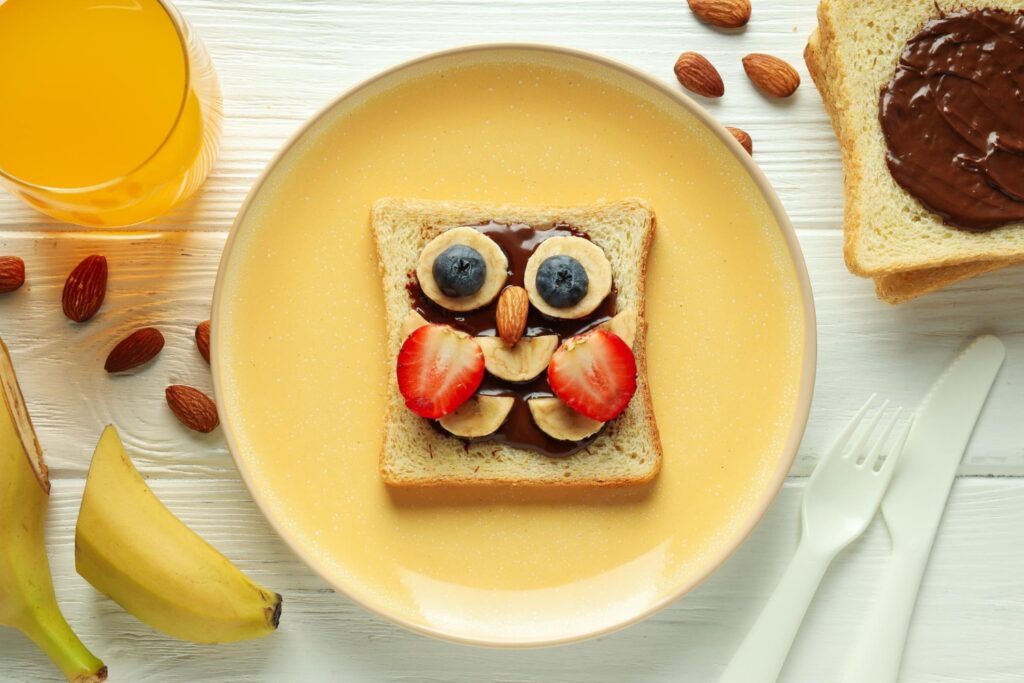
School mornings are really crazy. We zip up the backpacks, tie the shoes, and pack the lunchboxes in a hurry. Those little lunchboxes are more important than most parents think. The right healthy snacks for kids’ school can make a difference in their day. It can make a day into a day where they can focus, feel happy, play nicely, and actually learn something. When kids eat snacks in the morning and afternoon, they stay alert, have lots of energy, and get the nutrients they need to grow.
The Importance of Balanced Healthy Snacks for Kids’ School
The science is simple. Kids burn through glucose quickly during lessons, physical education, and recess. If they do not refuel their blood sugar levels properly, they will go down. This causes them to become irritable, think unclearly, and feel tired. Healthy snacks for kids’ school that have protein, fiber, and healthy fats can stop these problems from happening. Eating a handful of almonds with an apple, a small cup of yogurt with berries, or carrot sticks with hummus keeps their energy levels stable for a time than eating a cookie or a fruit snack that is full of added sugars.
Beyond what kids do in school, eating food every day helps them stay healthy for a long time. Kids who eat snacks at school start to like real food instead of food that is processed. They learn to know when they are hungry, they like the way food tastes, and they think that food makes them strong. What kids learn when they are young is important. The way kids eat when they are little can affect how they eat when they are grown up.
Simple Snack Ideas Kids Won’t Say No To
The best healthy lunchbox snacks for kids are simple, portable, and fun to eat. Below are reliable categories that work week after week.
Fresh Fruit with Protein Partners
Apples, pears, or bananas go well with a cheese stick, Greek yogurt, or nut butter. Check school allergy rules first. The sweetness of fruit and protein helps slow down digestion. Keeps kids full for longer. They feel satisfied without getting restless like they do with high-sugar snacks.
Crunchy Vegetables + Dip
Baby carrots, cucumber slices, bell pepper strips or cherry tomatoes are a lot fun to eat with a side of hummus, guacamole or plain yogurt mixed with herbs. The crunch is really satisfying. You get vitamins A, C and K. Many kids who do not want to eat vegetables at dinner are happy to eat them in the middle of the morning when they’re hungry and the dip makes them taste good.
Whole-Grain Mini Meals
The turkey slices and avocado in the whole-grain pita pockets are really good. You can also have whole-grain crackers topped with cottage cheese and sliced tomato. The whole-grain crackers, cottage cheese, and sliced tomato are a combination. These foods give you energy for your brain. Help fix your muscles after you play.
Homemade Sweet Treats Without the Guilt
You can make some good snacks for kids. For example, you can make a batch of oat-based energy bites using rolled oats, a touch of honey, dark chocolate chips, and ground flaxseed. You can just freeze grapes for a cool snack that is easy to eat. These snacks are good for kids. They taste really good, too. They have fiber, healthy fats, and antioxidants, which are all things
Dairy or Plant-Based Boosts
Yogurt parfaits made with lightly flavored yogurt and layered with fresh or frozen berries and a sprinkle of low-sugar granola are a great way to give kids the calcium they need for growing bones and probiotics for gut health. Yogurt parfaits are a choice. Plant-based alternatives like soy yogurt or almond yogurt are just as good for families who do not want to have dairy. These wholesome snacks for children are easy on stomachs, and kids love them. Yogurt parfaits are a snack for kids.
Creating Positive Snack Moments
Involve children in choosing and preparing snacks whenever possible. Let them pick two fruits at the grocery store, spread their own nut butter, or assemble mini skewers of fruit and cheese. Ownership increases the likelihood that they will eat what is packed. Colorful silicone containers, fun-shaped cutters, or small notes (“You’ve got this today!”) turn ordinary snacks into something special.
Tie snacking to broader wellness goals. When children participate in juniors wellness programs or youth wellness programs, nutrition conversations often reinforce classroom lessons. A fitness-focused activity session followed by a protein-rich snack helps muscles recover and teaches the connection between movement and refueling. Over time, this creates a holistic approach to wellness where food, play, rest, and emotional well-being support each other.
Parents frequently report noticeable shifts after two or three weeks of consistent better snacking: fewer afternoon meltdowns, easier homework sessions, more willingness to try new vegetables at dinner, and even comments like “I feel strong after my snack.” Teachers notice calmer classrooms and students who stay attentive longer. These small daily wins accumulate into meaningful changes.
Practical Tips for Busy Families
- Prep on Sunday evenings: wash and cut vegetables, portion trail mix, make energy bites.
- Keep a running grocery list on the fridge for quick additions.
- Use insulated lunch bags with ice packs to keep perishables fresh.
- Rotate options weekly to prevent boredom. Variety keeps excitement alive.
- Talk about why the snack helps: “The apple gives you quick energy, and the cheese helps your muscles grow stronger.”
When snacks become part of a bigger picture, perhaps supported by a custom wellness program that includes movement, sleep guidance, and stress tools, children feel empowered. They begin to understand that the food they choose directly affects how they feel, learn, and play.
Conclusion
Packing wholesome snacks for children is one of the simplest yet most powerful ways parents support school success and long-term health. It requires no fancy ingredients or complicated recipes, just intention and consistency. Every apple slice, every carrot stick, every yogurt parfait is a quiet vote for a child’s energy, mood, focus, and future well-being.
Start with one small swap this week. Watch what happens. The results, brighter eyes, steadier moods, and proud smiles when kids say “I ate my healthy snack today,” make the effort worthwhile.
FAQ
What are the easiest healthy snacks for kids at school?
Quick wins include apple slices with cheese, carrot sticks with hummus, yogurt with berries, or whole-grain crackers with nut butter. Minimal prep and high nutrition.
How do nutritious snacks for school kids improve learning?
Nutritious snacks for school kids prevent blood sugar crashes, helping children stay alert, manage emotions, and concentrate longer during lessons.
Are kid-friendly, healthy snacks expensive?
No. Bananas, carrots, store-brand yogurt, oats, and eggs keep costs low while delivering excellent nutrition.
Can healthy lunchbox snacks for kids be fun?
Absolutely. Use colorful containers, fruit skewers, smiley-face arrangements, or let kids help assemble to make healthy eating exciting.
How do wholesome snacks for children fit with wellness programs?
Wholesome snacks for children reinforce lessons from youth wellness programs and junior wellness programs, creating synergy between nutrition, movement, and emotional health.