
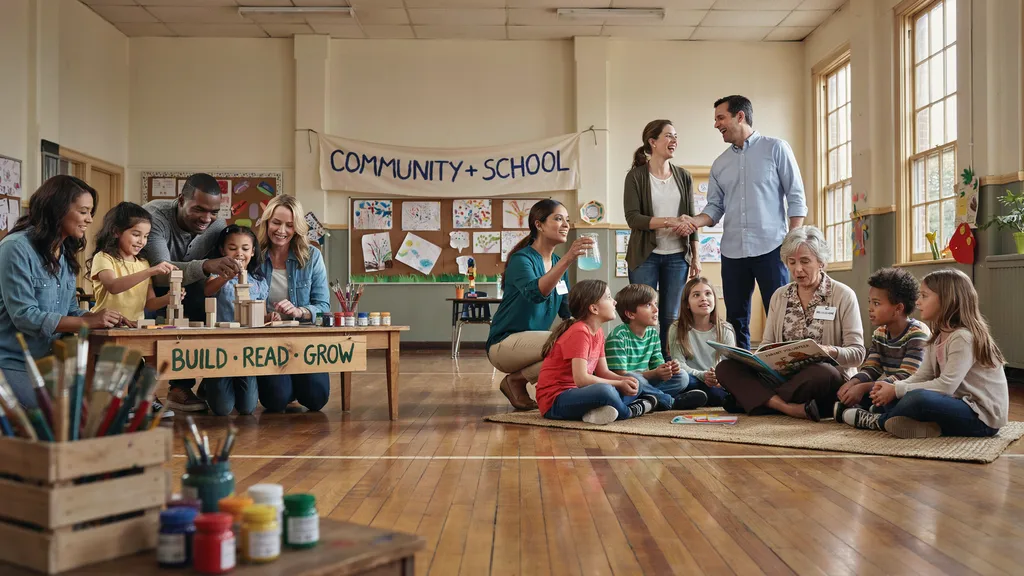
Schools today are dealing with far more than test scores. Students face stress, poor nutrition habits, and limited support outside the classroom. That is exactly where community involvement in school programs makes a real difference. When communities show up for students in a structured, intentional way, kids become healthier, more confident, and better prepared for life ahead.
What Community Involvement in Schools Programs Actually Looks Like
Many people picture a one-time volunteer event when they hear “community involvement.” In reality, true community involvement in schools means building ongoing partnerships between schools, local organizations, families, and wellness professionals. It means coaches, counselors, and mentors showing up consistently, not just once a year.
Furthermore, it means designing programs that meet students where they actually are. That requires listening, adapting, and committing for the long haul.
The Importance of Community Involvement in Schools
Students thrive when they feel supported by more than just their teachers. The importance of community involvement in schools becomes clear when you look at real outcomes. Schools with strong community partnerships report higher attendance, better academic performance, and improved student mental health.
Beyond the data, there is something harder to measure. When a child sees a mentor from their own neighborhood investing time in their growth, it sends a powerful message: your future matters to the people around you. No textbook can teach that.
| Area of Impact | Without Community Programs | With Community Programs |
| Student attendance | Average or declining | Noticeably improved |
| Nutrition awareness | Low, inconsistent habits | Better daily food choices |
| Physical activity | Limited to the PE class only | Extended through after-school programs |
| Mental wellness | Often unaddressed | Supported through mentorship |
Practical Strategies for Community Involvement in Schools
Getting started does not require a massive budget. The most effective strategies for community involvement in schools require consistency and trust more than anything else. Here are approaches that actually work:
- After-school wellness programs that combine fitness, nutrition education, and mentorship.
- Parent engagement workshops focused on nutrition, screen time, and home support.
- Local business partnerships that bring professionals into schools as mentors or speakers.
- Peer leadership programs where older students model healthy habits for younger ones.
Start with one or two initiatives, build trust, and grow from there. That approach works better than launching everything at once.
The California Community Schools Partnership Program in Action
California has formalized this approach in a meaningful way. The California Community Schools Partnership Program (CCSPP) is a state-funded initiative that helps schools become full community hubs. It funds expanded learning opportunities, health services, and family support programs all in one place.
It is a strong example of what happens when policy aligns with what communities already know. Schools are the centers of their neighborhoods, and when they are resourced as such, everyone benefits, especially the kids.
Nutrition Is Part of the Picture Too
You cannot talk about student wellness without talking about food. Nutrition directly affects focus, energy, and behavior every single day. That is why strong community wellness programs always include a nutrition component alongside fitness and mentorship.
Offering quick and nutritious kids snacks for school as part of a community program makes a measurable difference in how students perform throughout the day. Here are some simple, healthy kids snacks for school ideas that programs and parents can use right away:
- Apple slices with almond butter for sustained energy.
- Greek yogurt with mixed berries is simple and protein-rich.
- Whole-grain crackers with hummus and cucumber.
- A banana with peanut butter is easy to pack and genuinely filling.
These simple healthy kids snacks for school are affordable, quick to prepare, and actually enjoyable for kids. When community programs include this kind of practical guidance, families leave with tools they can use immediately. And when it comes to quick and nutritious kids snacks for school, the goal is always the same: fuel the brain and build habits that last.
What School Wellness Partnerships Look Like at YWF
At Youth Wellness Foundation, we have seen firsthand what intentional school wellness partnerships can do. Students in our programs develop stronger confidence, healthier habits, and a clearer sense of direction. It does not happen overnight. But it does happen consistently when the support is consistent.
“Confidence starts with movement. Strength grows with support. Futures change with care.” — Jeff Aguirre, Founder, Youth Wellness Initiative
Conclusion
Community involvement in school programs is not an extra. They are essential. When communities invest in students through structured wellness, nutrition support, and real mentorship, those students grow into healthier, more capable young people. That is good for them, and good for all of us.
At Youth Wellness Foundation, we are committed to making this kind of support accessible to every student we can reach. If you want to be part of that work, we would love to connect.
Frequently Asked Questions
Q1. What is community involvement in school programs, and who do they serve?
These are structured partnerships between schools, community organizations, and wellness professionals. They provide students with fitness, nutrition, and mentorship support. Students, families, and the broader community all benefit.
Q2. How does the California Community Schools Partnership Program support schools?
The CCSPP provides state funding to help California schools become full-service community hubs with expanded learning, health services, and family engagement programs beyond regular school hours.
Q3. What are the most effective strategies for community involvement in schools?
After-school wellness programs, parent nutrition workshops, and peer leadership initiatives are among the most impactful. Consistency and relationship-building matter more than scale when you are just getting started.
Q4. Why is nutrition part of school community programs?
Because what students eat directly affects their focus and behavior. Programs that pair community involvement in schools with practical nutrition education give families tools that create lasting change.
Q5. What school wellness partnerships does Youth Wellness Foundation offer?
YWF partners with schools to deliver after-school fitness, nutritional health counseling, and holistic mentorship programs designed to support the whole student, not just their academics.