
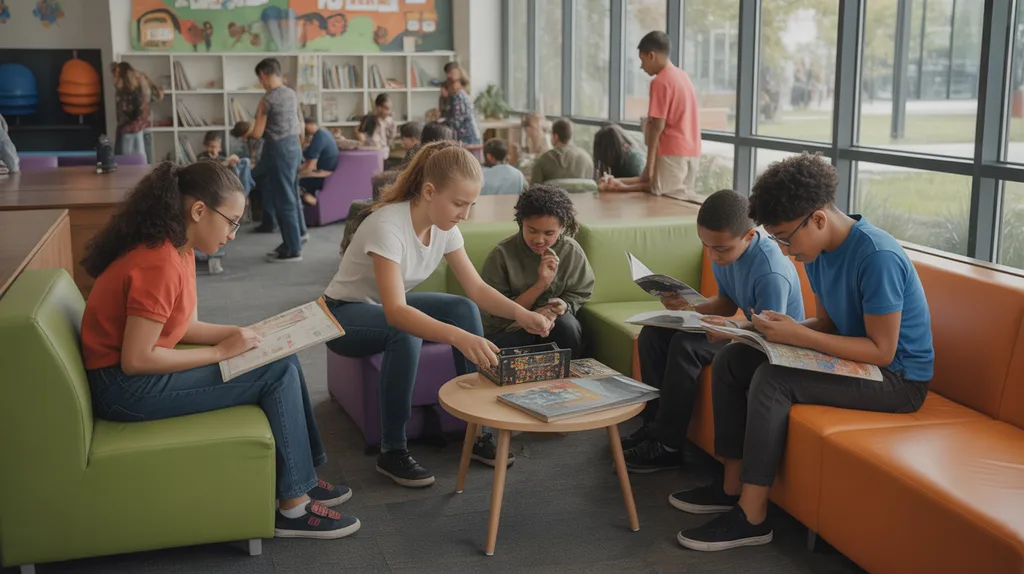
After a long day of juggling classes, the school day comes to an end, but a student’s need for support still goes on. After 3 pm, young minds are most of the time left without any structured guidance, healthy activities, or any adult mentorship. An expanded learning program for students bridges this gap for young minds. These programs do not just keep kids busy. They build confidence, improve physical health, and set habits that carry into adulthood.
What an Expanded Learning Program for Students Actually Covers
A lot of people think that expanded learning is about getting help with homework. That is not true. It is actually about much more than that. A good program will include things like fitness, nutrition, and mentorship, and hands-on activities that students do not get to do during the school day.
These programs are great because they meet students where they are. Every child is different. Learns in their own way. Some kids do not do well in a classroom, but they can really shine in an expanded learning program.
The Role of an After-School Expanded Learning Opportunities Program
One of the places for this work is after school. An after-school expanded learning opportunities program gives students a place to go when school ends. Of going home to screens or an empty house, they go to a space with coaches, mentors, and wellness professionals.
Students who join regularly do better. They attend school more focused and feel better overall. That’s because they feel supported. The after-school program is a place for students to grow.
| Student Outcome | Without Expanded Learning | With Expanded Learning |
| Daily attendance | Often inconsistent | Noticeably improved |
| Physical activity level | Mostly sedentary after school | Regular structured movement |
| Social confidence | Limited peer connection | Stronger relationships built |
| Nutrition habits | Snacking on processed food | Guided toward healthier choices |
| Emotional regulation | Stress often unaddressed | Supported through mentorship |
What Good Expanded Learning Opportunities Program Activities Look Like
Activities are where the real magic happens. The best expanded learning opportunities program activities are not just fun for the sake of it. They are intentionally designed to build physical strength, mental resilience, and teamwork skills all at once.
Here are the kinds of activities that actually move the needle for students:
- Strength and movement training adapted for age and fitness level, building body awareness and physical confidence.
- Team-based fitness challenges that teach communication and cooperation through movement.
- Nutrition workshops where students learn about food, energy, and what their bodies need to perform.
- Mindfulness and breathing exercises to help students manage stress and stay focused.
- Goal-setting sessions with mentors who help students connect daily habits to bigger ambitions.
When activities are built around the whole student, not just one skill, the growth compounds quickly.
Comparing School-Based Expanded Learning Program vs. Community Expanded Learning Opportunities Program
Not all expanded learning is the thing. There are two types of programs for expanded learning: school-based programs and community-based programs. Each of these programs has its good points, and knowing the difference between them helps families and organizations pick the right one for their needs.
A school-based expanded learning program removes one of the biggest barriers to participation: transportation. When the program happens right where students already are, families do not have to rearrange schedules to make it work. Students also benefit from familiar surroundings, which lowers anxiety and improves consistency.
On the other hand, a community expanded learning opportunities program extends reach into neighborhoods where school resources are stretched thin. It ensures that zip code does not determine whether a child gets quality programming.
| Feature | School-Based Expanded Learning Program | Community Expanded Learning Opportunities Program |
| Location | On school grounds | Community centers, parks, local orgs |
| Transportation needed | No | Sometimes |
| Familiarity for students | High | Varies |
| Reach | Students at that school | Broader neighborhood access |
| Best for | Convenience and consistency | Underserved or school-gap areas |
Both models work. In many cases, the strongest outcomes come when schools and community organizations partner together rather than operate separately.
The After-School Expanded Learning Program at Youth Wellness Foundation
At Youth Wellness Foundation, our after-school expanded learning program is built around three core pillars: physical fitness, nutritional education, and holistic mentorship. Each session is structured but flexible enough to meet students where they are on any given day.
Our coaches and mentors are not just fitness professionals. They are people who genuinely care about young people and show up that way every single week. Furthermore, we integrate youth wellness mentorship into every aspect of our programming. It is not a separate add-on. Youth wellness mentorship runs through everything we do, from how coaches communicate with students to how we handle setbacks and celebrate wins.
Conclusion
The hours after school are too important to leave to chance. A well-designed, expanded learning program for students turns that unstructured time into some of the most meaningful development a young person can experience. It builds bodies, sharpens minds, and gives students the consistent support that changes trajectories.
At Youth Wellness Foundation, we are proud to offer programming that does exactly that. If you want to bring this kind of opportunity to a student or school near you.
Frequently Asked Questions
Q1. Who benefits most from an expanded learning program for students?
Every student benefits, but programs tend to have the greatest impact on students who lack structured support at home, those who struggle in traditional classroom settings, and youth in underserved communities with limited wellness resources.
Q2. What makes expanded learning opportunities program activities different from regular PE?
Regular PE follows a set curriculum focused on physical education. Expanded learning activities go further by combining movement with mentorship, nutrition education, goal-setting, and emotional wellness support all in one space.
Q3. How does a community expanded learning opportunities program reach students outside of school?
These programs are delivered through neighborhood centers, parks, and local organizations. They remove transportation barriers and bring structured wellness programming directly into the communities where students already spend their time.
Q4. What role does youth wellness mentorship play in expanded learning?
Mentorship is the thread that ties everything together. It gives students a consistent adult presence who believes in them, holds them accountable, and helps them connect daily habits to long-term goals.
Q5. How can schools or organizations partner for an after-school expanded learning opportunities program?
Reach out directly through youthwellnessfoundation.org. We work with schools, community centers, and organizations to design programming that fits their specific student population and schedule.