
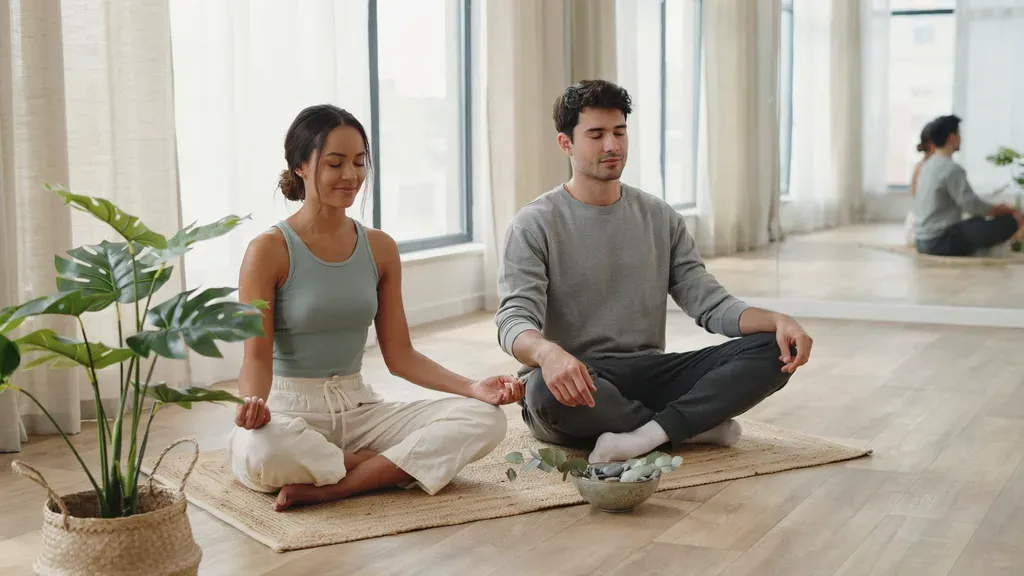
Exercise is not just about eating better, exercising more, or sleeping earlier. The health of young minds is not about just one thing. A natural holistic approach to wellness recognizes that health is about the body, the mind, the habits, and the environment that surrounds them. When you look at all of these things together, you get results that actually last.
What a Natural Holistic Approach to Wellness Actually Means
Holistic wellness is not something people talk about. It is actually about treating the person, not just one part of them. This is really important for people, even if most adults do not realize it. A teenager who is always tired might be told to go to sleep. That might not be the real problem. The real issue could be that they are not eating well, they are stressed out all the time, they do not get exercise, or maybe it is all of these things. Just fixing one of these things usually does not work. Fixing all of them does.
That is why the holistic approach to wellness and health is so good for people. It does not just ask them to change one thing they do. It helps them by making a system of support around them.
The Real Benefits of a Holistic Approach to Wellness for Youth
The benefits of an approach to wellness are really clear. Young people who take part in wellness programs do not just get fitter; they show up differently in school, at home, and in their relationships.
| Outcome | How It Shows Up | Long-Term Impact |
| Improved Focus & Academic Performance | Better sleep, nutrition, and stress management lead to sharper concentration. | Higher grades and stronger learning outcomes. |
| Stronger Emotional Regulation | Movement and mentorship provide healthy outlets for emotions. | Reduced anxiety and better self-control. |
| Increased Confidence | Physical progress combined with consistent adult encouragement. | Greater self-esteem and willingness to try new things. |
| Healthier Relationships | Team-based activities and shared goals build social connection. | Stronger friendships and improved communication. |
| Long-Term Healthy Habits | Habits formed during key developmental years become lifelong. | Sustained physical and mental well-being. |
The Role of Functional Nutrition Counseling in Holistic Wellness
Food is a powerful tool for staying healthy. A lot of people, especially young people, do not understand how it works. That is where functional nutrition counseling comes in.
Functional nutrition counseling is different from advice about what to eat. It looks at how food affects the body. It thinks about energy levels, inflammation, gut health, and how food interacts with a person’s lifestyle and activity level. For kids who’re active in after-school fitness programs, this kind of guidance is necessary. It is essential for them to know why they are eating foods, not just that they should eat them. When students understand the reasons behind their food choices, they are more likely to make lasting changes.
Building a Strong Holistic Approach to Wellness Practices Every Day
The most effective wellness practices are the ones that fit into daily life without feeling like a burden. A strong, holistic approach to wellness practices for young people is simple, repeatable, and enjoyable enough that kids actually want to do them.
| Wellness Practice | What It Targets | How Often |
| Strength and movement training | Physical health, confidence | 3 to 4 times per week |
| Nutrition education sessions | Energy, focus, long-term habits | Weekly |
| Mindfulness and breathing | Stress management, focus | Daily |
| Mentor check-ins | Emotional wellness, accountability | Weekly |
| Goal-setting sessions | Motivation, direction | Monthly |
This holistic approach to wellness practices does not require an expensive gym or a complicated schedule. They require consistency, a supportive environment, and adults who genuinely show up.
What Good Holistic Approach to Wellness Programs Includes
Not every program that calls itself holistic actually is. A true holistic approach to wellness programs is built around a few non-negotiable elements. They address physical, nutritional, emotional, and social wellness under one roof. They involve professionals who understand youth development. And they measure outcomes beyond just physical fitness.
At Youth Wellness Foundation, our programs are designed around exactly these principles. Every session combines structured movement with nutrition guidance and mentorship. No pillar is treated as optional, because in real wellness, none of them are.
Furthermore, a good holistic approach to wellness programs involves families. Parents who understand what their child is learning can reinforce those habits at home. That kind of alignment between program and household is what turns a six-week improvement into a lifetime of better choices.
Weaving in Holistic Approach to Wellness and Self-Care
Self-care gets misrepresented a lot. For young people, it is not about face masks or expensive routines. A genuine holistic approach to wellness and self-care teaches kids to listen to their bodies, rest intentionally, manage their stress before it builds up, and fuel themselves with food that actually works for them.
When young people learn these skills early, they carry them into adulthood. That is the long game. And it is the most important one.
A strong, holistic approach to wellness and self-care also normalizes asking for help. It builds the understanding that seeking support is a sign of strength, not weakness. For teenagers, especially, that lesson changes everything.
Where Whole-Child Wellness Support Makes the Biggest Impact
The communities that need holistic wellness programming the most are often the ones with the least access to it. That is why whole-child wellness support delivered through schools, community centers, and neighborhood organizations matters so much.
| Setting | Type of Support Offered | Who It Reaches |
| After-school programs | Fitness, nutrition, mentorship | Students aged 10 to 18 |
| School partner programs | In-school wellness sessions | Entire student body |
| Community centers | Family workshops, group training | Youth and parents together |
| Neighborhood organizations | Outreach and referral support | Underserved youth populations |
When whole-child wellness support is embedded in the places young people already trust, it removes the barriers that keep so many kids from ever accessing it.
“Confidence starts with movement. Strength grows with support. Futures change with care. Every program builds a stronger tomorrow.” ~ Jeff Aguirre, Founder, Youth Wellness Initiative
Conclusion
Wellness is not something you can get from one thing. It comes from taking care of yourself every day and paying attention to every part of your life. When you take a natural holistic approach to wellness, you are giving young people the things they need to be successful, not just now but for the rest of their lives.
Frequently Asked Questions
Q1. What is a natural, holistic approach to wellness, and why does it work for youth?
It is a method of supporting health that addresses the body, mind, nutrition, and emotional well-being together rather than separately. It works for youth because young people develop across all of these areas at the same time, and growth in one area supports growth in the others.
Q2. What does functional nutrition counseling involve for young people?
It involves personalized nutrition guidance based on how food functions in a young person’s body, specifically. It looks at energy needs, activity level, and how eating habits affect focus, mood, and physical performance rather than just calories or weight.
Q3. What are the top benefits of a holistic approach to wellness for teenagers?
Improved academic focus, stronger emotional regulation, increased confidence, healthier peer relationships, and long-term healthy habits are among the most consistent outcomes seen in youth who engage in comprehensive holistic wellness programs.
Q4. How do holistic approaches to wellness and self-care practices differ from general self-care advice?
Holistic self-care is practical and grounded. It teaches young people to manage stress, rest intentionally, move their bodies regularly, and fuel themselves well. It is not about luxury routines. It is about building real, repeatable habits that support daily function and long-term health.
Q5. How can I find whole-child wellness support programs near me?
Start by visiting youthwellnessfoundation.org to learn about our after-school fitness, nutritional counseling, and school partner programs. We work with families, schools, and community organizations across San Pedro and the surrounding areas.